Public infrastructure carries a unique responsibility because whole communities depend on it daily. When you design a city hall, fire station, or utility building, every system must perform under pressure. Mechanical, electrical, and plumbing (MEP) engineering decides whether those facilities stay open during storms.
Municipal owners also answer to taxpayers, so reliability has to come without waste or unnecessary complexity. At TYEC, we pair principal-level oversight with coordinated MEP design built around your budget. Here is how you can plan civic buildings that serve residents for decades.
What Does Designing for Reliability in Public Infrastructure Mean?
Designing for reliability in public infrastructure means engineering building systems that keep essential services running under stress. You achieve it through redundant power, durable equipment, resilient plumbing, and coordinated design. The goal is a facility that stays safe, compliant, and serviceable throughout its life cycle.
Why Public Infrastructure Demands Resilient MEP Systems
Civic buildings support emergency response, utilities, and public gatherings, so downtime affects entire communities. For example, a fire station without power cannot dispatch crews, open bay doors, or keep equipment charged. Similarly, a city hall without cooling may close service counters during summer heat.
Grid reliability adds another risk that you need to address during early design. According to the U.S. Energy Information Administration, 2024 outages averaged 11 hours per customer, nearly double the prior decade. As a result, public infrastructure in Florida needs backup power sized for extended outages.
Aging assets compound the challenge when older buildings take on new programs or more occupants. According to the American Society of Civil Engineers, nine of 18 infrastructure categories remain in the D range. Consequently, you should treat every renovation as a chance to upgrade capacity across disciplines.
Resilient design protects budgets because failures in occupied public buildings cost more to fix. TYEC helps you set performance targets before schematic design locks in equipment decisions.
Building Redundancy Into Critical Building Systems
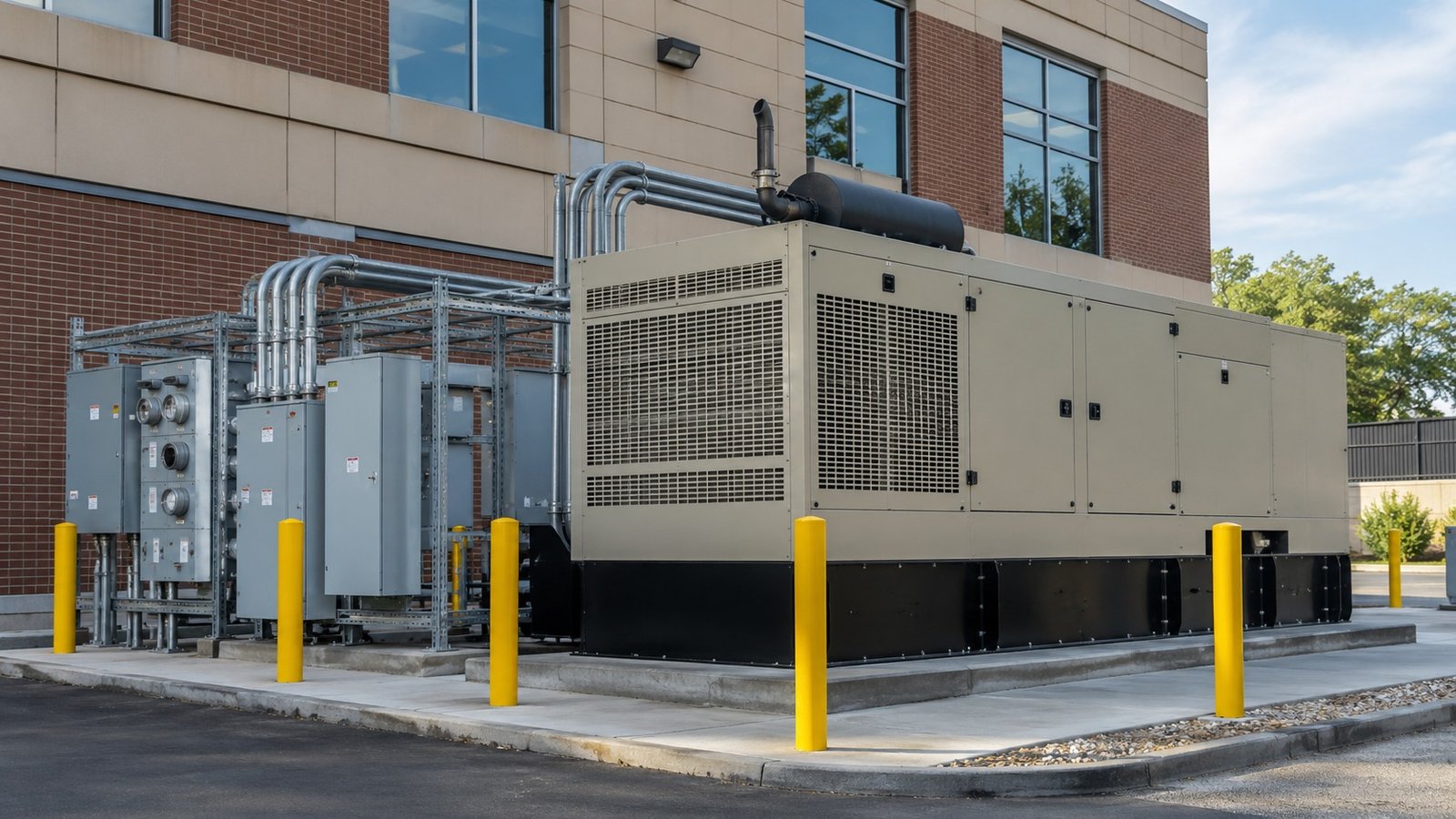
Redundancy gives a municipal facility a second path when primary equipment fails or needs service. However, redundancy only adds value when you apply it to the systems supporting essential operations. Our electrical and mechanical teams focus redundancy where it protects public infrastructure without inflating construction costs.
-
Standby generation: Size generators and fuel storage for extended outages, following National Fire Protection Association (NFPA) 110.
-
Mechanical backup: Use N+1 chiller or rooftop unit configurations so one equipment failure leaves occupied spaces conditioned.
-
Plumbing continuity: Install duplex booster pumps and parallel backflow preventers to maintain water during servicing.
-
Automatic transfer: Specify transfer switches that shift priority loads to standby power within seconds.
In addition, separate life safety, legally required, and optional standby loads onto distinct branches. Branch separation keeps emergency lighting and fire alarms powered when the system sheds optional loads. Our recent article on emergency response power systems explains how resilient electrical design supports first responders.
At the same time, you should avoid adding backup capacity to loads that can tolerate brief interruptions. Targeted redundancy keeps first costs reasonable while preserving the uptime residents expect from civic buildings.
Coordinating Disciplines for Public Infrastructure Projects
Reliability suffers when MEP designs develop in separate offices working on separate schedules. Instead, public infrastructure benefits from a single team that resolves conflicts before drawings reach permit review. TYEC keeps all three disciplines under one roof, so your coordination happens in the same room.
Early Design Workshops With Architects
Early workshops let you align equipment locations, shaft sizes, and ceiling heights with the architectural concept. For instance, locating generators and switchgear above flood elevation during schematic design prevents costly redesign later. TYEC’s article on early-stage engineering collaboration shows how upfront coordination reduces change orders.
Public Infrastructure Code Compliance Reviews
Municipal buildings face layered requirements from the Florida Building Code, fire codes, and local utility standards. Therefore, you benefit from coordinated compliance reviews that check every discipline against the same code edition. Shared reviews catch conflicts, such as unlinked smoke dampers, before inspectors flag them.
Also, unified reviews simplify permitting because agencies receive one coordinated package instead of three separate submittals. As a result, your project team spends less time answering comments and more time moving toward construction.
Planning Maintenance Access for Municipal Facilities
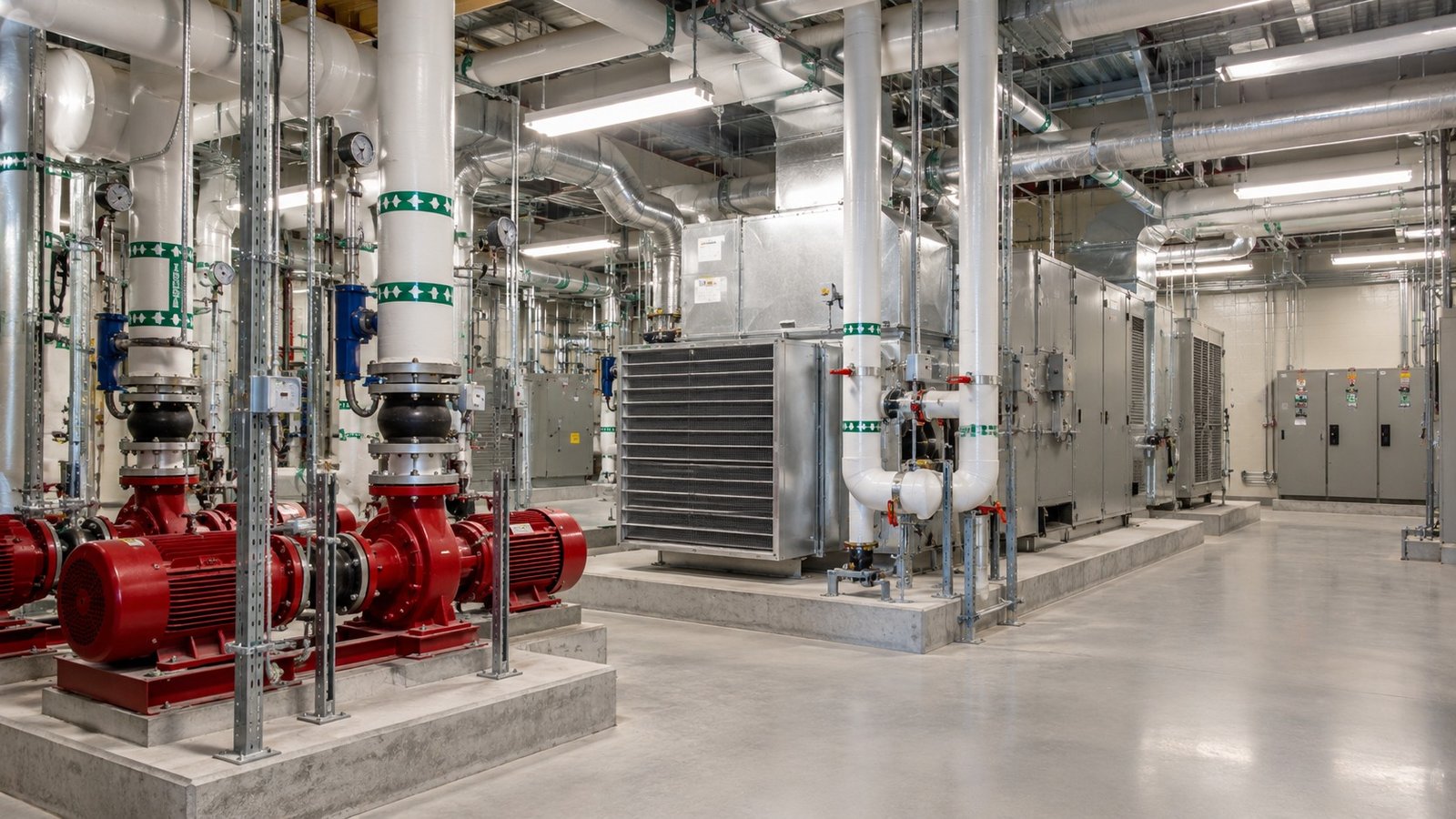
Reliable systems depend on maintenance, and maintenance depends on whether technicians can reach equipment safely. Many civic buildings operate with lean facility staff, so crews skip hard-to-reach equipment during routine service. For that reason, you should plan service clearances, access panels, and roof walkways during design.
Equipment selection matters too, because proprietary components can delay replacement parts for weeks. In contrast, we specify widely supported equipment that local contractors already know how to service and repair.
Building automation also plays a role in keeping public infrastructure running between scheduled service visits. Specifically, remote alarms on pumps, generators, and heating, ventilation, and air conditioning (HVAC) units alert staff early. Trend data then helps you replace aging HVAC and electrical components before failures interrupt public services.
TYEC’s civic and municipal portfolio includes city halls, fire stations, and environmental services buildings across South Florida. Each project reflects practical design choices that owners can operate and maintain with their existing staff. Ultimately, maintainable systems protect your capital investment and keep facilities open when residents need them most.
Partner With TYEC on Your Next Public Infrastructure Project
Reliable public infrastructure starts with MEP design that balances resilience, code compliance, and long-term operating costs. When you involve engineers early, you avoid redesigns, protect your schedule, and deliver facilities residents trust. TYEC brings principal-level attention and coordinated MEP expertise to every civic and municipal assignment.
Our team works alongside your architects to keep critical systems aligned with the building's design intent. Whether you plan a fire station or city hall renovation, we deliver responsive, on-time support. Contact TYEC today to start planning dependable MEP systems for your next municipal project.