Every building project depends on how well systems engineers understand what the owner needs and expects. When communication breaks down, mechanical, electrical, and plumbing (MEP) decisions drift away from the client's priorities. A structured, collaborative workflow keeps you informed and keeps every design choice tied to your goals.
At TYEC, our engineers treat collaboration as a core part of design, not paperwork. We keep all three disciplines under one roof, so you work with one coordinated team. Here is how TYEC builds workflows that keep clients, architects, and engineers moving in the same direction.
How Do Systems Engineers Build Collaborative Workflows With Clients?
Systems engineers build collaborative workflows with clients by defining goals, sharing one information source, and reviewing decisions together. Scheduled milestone reviews, clear response times, and documented decisions keep every stakeholder informed and accountable. The result is a design that reflects your priorities, meets your budget, and reaches construction on schedule.
Why Collaboration Between Systems Engineers and Clients Matters
Clients bring knowledge about operations, occupants, and budgets that engineers cannot find in any drawing set. For example, a hotel owner knows occupancy patterns that affect cooling loads and hot water demand. Without that input, designs rely on assumptions that may not match daily operations.
Poor collaboration carries real costs across the construction industry, not only within design teams. According to Dodge Construction Network, 98% of U.S. and Canadian contractors faced serious quality issues on projects within three years. As a result, strong workflows between systems engineers and clients protect quality before issues reach the field.
Collaboration also shapes cost control, because owners can weigh tradeoffs while changes remain inexpensive. In contrast, late surprises force rushed decisions, redesign fees, and schedule delays that frustrate every stakeholder. Our article on early-stage engineering collaboration explains how upfront input prevents costly change orders.
Clients who participate throughout design also gain confidence in the systems they will operate for decades. TYEC invites that participation from the first meeting through final commissioning on every project.
Setting Up a Shared Project Workflow

A productive workflow starts with clear roles, shared goals, and agreed methods for making decisions together. Therefore, TYEC systems engineers establish a simple framework during the kickoff meeting for every new project. Our mechanical, electrical, and plumbing teams then follow the same steps across all three disciplines.
-
Document owner requirements: Record goals, budget limits, and priorities in an owner's project requirements (OPR) document.
-
Assign single points of contact: Name one client representative and one engineering lead to route every question.
-
Set response time expectations: Agree how quickly each party answers questions and approves changes.
-
Schedule milestone reviews: Plan client reviews at schematic design, design development, and construction documents.
The OPR becomes the benchmark for every later decision, from equipment selection to control sequences. In addition, single points of contact prevent conflicting direction from reaching the design team. Clear response times keep questions from sitting unanswered while construction documents move toward permit.
Similarly, milestone reviews give you structured chances to confirm direction before details become expensive to change. The framework stays simple, so it supports your project without adding unnecessary meetings or paperwork.
Communication Habits That Keep Systems Engineers Aligned
Workflows only succeed when communication habits support them every week through design and construction. However, systems engineers and clients speak different professional languages, which can create misunderstandings. TYEC bridges that gap with plain-language summaries, visual models, and regular touchpoints with your team.
Structured Design Reviews at Each Milestone
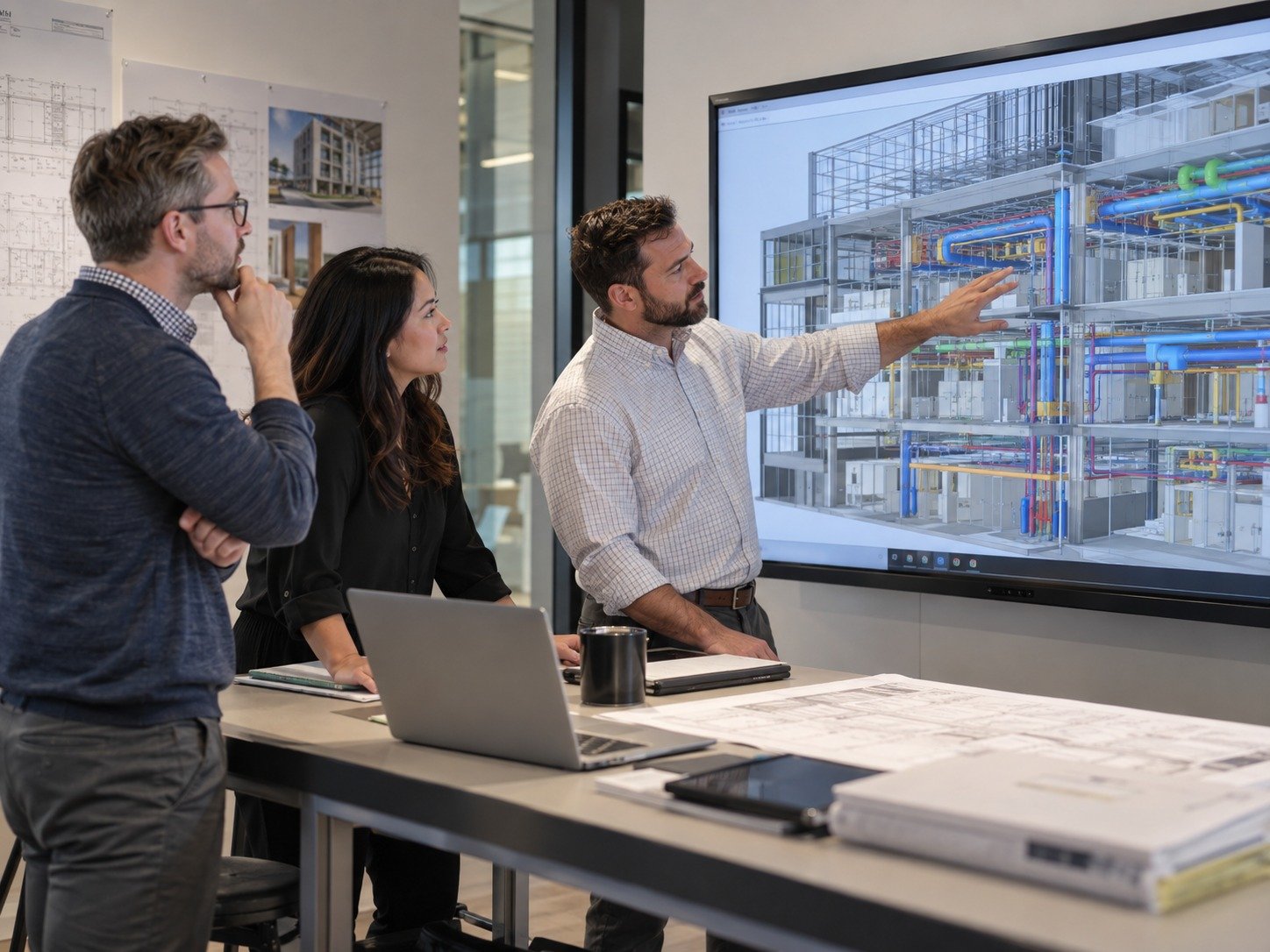
Milestone reviews work best when you see the design in context rather than in dense spreadsheets. For instance, building information modeling (BIM) walkthroughs show equipment locations, ceiling heights, and access clearances clearly. Each review ends with documented decisions, open questions, and assigned owners for every follow-up item.
Systems Engineers as Responsive Partners
Responsiveness builds trust, since clients need timely answers when decisions affect cost or schedule. Specifically, our engineers acknowledge questions quickly and give realistic timelines for detailed technical responses. Our article on unresponsive engineering firms explains how slow replies stall schedules and inflate budgets.
Meanwhile, principal involvement gives you direct access to senior engineers when issues require quick judgment. At TYEC, our principals join key reviews and stay reachable throughout the life of your project.
Using Shared Tools to Reduce Rework
Shared digital tools give clients and engineers the same current information at the same time. According to Procore, construction teams lose an estimated 28% of project time to rework. Consequently, a single source of truth for drawings, comments, and decisions delivers fast value for owners.
Cloud-based markup platforms let you comment directly on drawings instead of sending scattered emails. In turn, systems engineers see every comment in context and resolve issues without guessing at intent.
Shared BIM models also support clash detection before contractors mobilize crews on the jobsite. For example, owners can review ceiling coordination in the model and approve solutions before fabrication begins. Decision logs then record who approved each change, which prevents disputes later in construction.
Tools only help when they fit your team, so we match platforms to your existing processes. Rather than adding complex software, TYEC uses familiar tools that owners and architects already know. Ultimately, practical technology keeps collaboration simple and keeps your project moving toward an on-time finish.
Collaborate With TYEC Systems Engineers on Your Next Project
Strong workflows between systems engineers and clients turn owner priorities into buildings that perform as intended. When you define goals early and review decisions together, you avoid rework, delays, and budget surprises. TYEC delivers coordinated MEP expertise under one roof with principal-level attention on every assignment.
TYEC’s project portfolio spans hotels, schools, civic buildings, restaurants, and custom residences across South Florida. We listen closely, respond quickly, and keep every system aligned with your architect's design intent. Reach out to TYEC to set up a collaborative kickoff for your upcoming building project.