Every building project generates technical engineering data, from load calculations and fault studies to plumbing fixture counts. You need that data to make decisions, yet raw reports rarely explain what the numbers mean. Owners, architects, and facility managers each need a different version of the same engineering story.
At TYEC, our mechanical, electrical, and plumbing (MEP) engineers translate complex analysis into clear, actionable project guidance. We connect every calculation to cost, schedule, and comfort so you can act with confidence. Here is how TYEC turns dense engineering data into decisions your whole team can support.
How Does TYEC Translate Technical Engineering Data for Stakeholders?
TYEC translates technical engineering data by linking each finding to the cost, schedule, or performance outcome you care about. We tailor summaries to each audience, use visual models, and replace jargon with plain, specific language. The result is faster approvals, fewer misunderstandings, and design decisions grounded in accurate information.
Why Technical Engineering Data Needs Translation
Engineering reports speak in kilowatts, tons of cooling, and fixture units that most stakeholders never use daily. As a result, owners may approve designs without understanding the trade-offs behind each system choice. Later, those gaps surface as change orders, budget disputes, or systems that miss performance expectations.
Data quality alone does not solve the problem, because interpretation matters as much as accuracy. According to Autodesk, only 19% of surveyed industry leaders rate their companies very effective at leveraging data. Clear technical engineering communication closes that gap and turns stored information into usable project direction.
Stakeholders also bring different priorities, so one report rarely satisfies an owner, architect, and contractor at once. For example, an owner focuses on lifecycle cost, while an architect watches ceiling heights and sightlines. Meanwhile, a facility manager wants to know how often equipment needs service and replacement.
Translation bridges those priorities without diluting the engineering accuracy behind each recommendation you receive. TYEC treats communication as part of design, not an afterthought added once drawings are complete.
Matching Engineering Information to Each Audience
Clear translation starts with knowing who reads the data and what decision each reader must make. Therefore, TYEC maps every stakeholder early and shapes technical engineering deliverables around their specific questions. Our electrical engineering and mechanical engineering teams then follow a simple framework for each audience.
-
Owners and developers: Lead with first cost, operating cost, and schedule impact before showing supporting calculations.
-
Architects: Show equipment sizes, clearances, and ceiling impacts in plans and sections they already use.
-
Contractors: Provide coordinated drawings, clear sequencing notes, and equipment schedules that support accurate bidding.
-
Facility managers: Summarize maintenance intervals, replacement cycles, and control sequences in plain operating language.
Each version draws from the same engineering model, so every stakeholder works from matching information. In addition, we define terms once and use them the same way across meetings and documents. Shared vocabulary prevents the confusion that appears when two reports describe one system differently.
Responsiveness matters too, because stakeholders lose momentum when engineering questions sit unanswered for weeks. TYEC’s article on unresponsive engineering firms explains how slow replies inflate budgets and stall commercial schedules.
Visual Tools That Make Technical Engineering Clear
Visuals communicate spatial and performance data faster than tables, narratives, or long spreadsheets. Building information modeling (BIM) lets you see ducts, conduits, and piping inside the actual architecture. Consequently, technical engineering reviews become conversations about real spaces instead of abstract numbers.
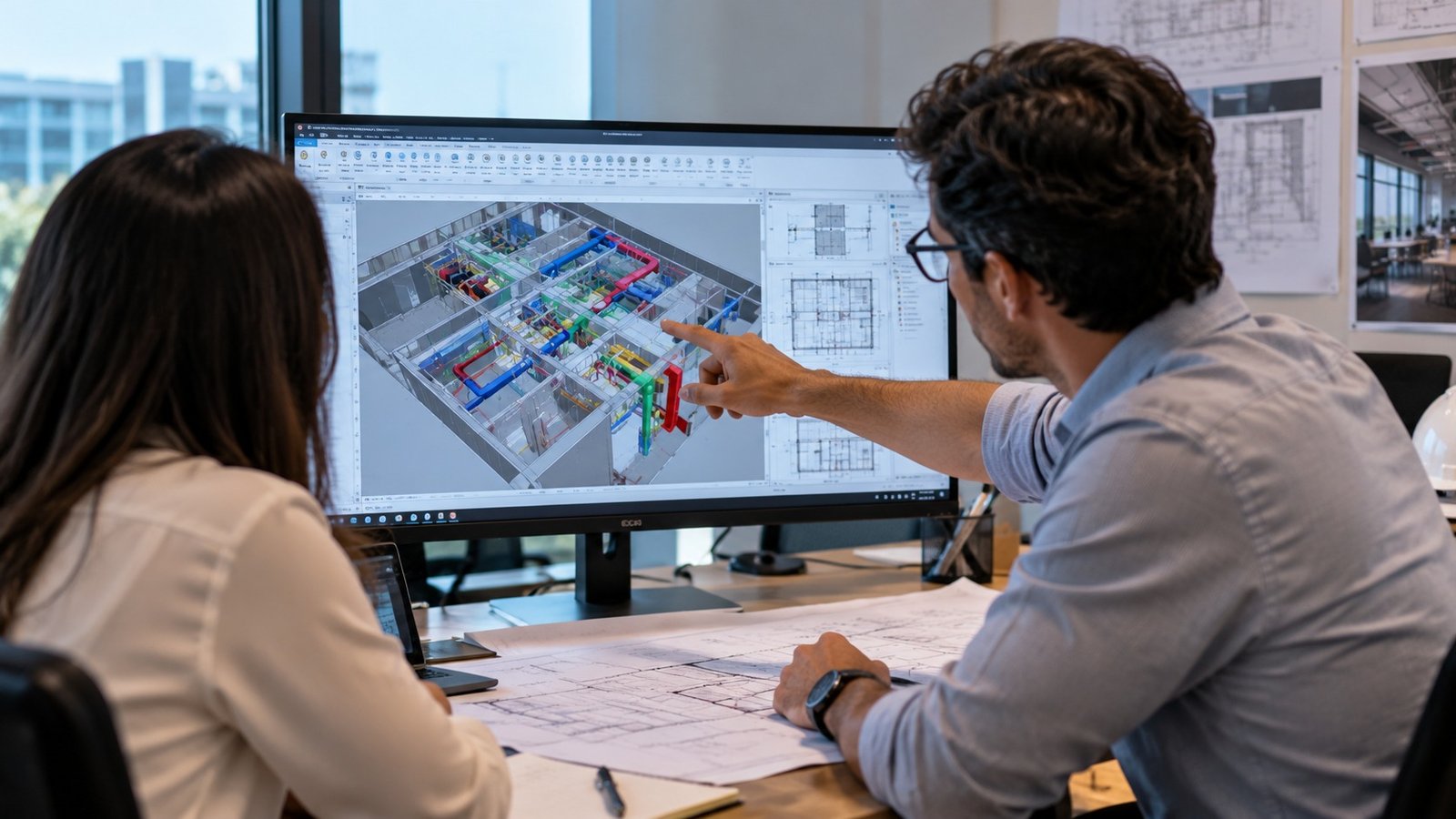
Using BIM Models in Design Reviews
During design reviews, we walk you through the model and highlight clashes, clearances, and equipment locations. For instance, a section cut shows an architect where a duct lowers a ceiling height. Our article on early-stage engineering collaboration shows how model reviews prevent costly change orders.
Technical Engineering Dashboards for Owners
Owners respond well to simple dashboards that compare system options side by side. Specifically, we chart first cost, annual energy cost, and maintenance needs for each alternative. Color-coded risk ratings then show which option best protects your schedule and budget.
Similarly, simple load profiles help you understand why a smaller, right-sized system meets actual demand. Clear visuals keep decisions grounded in evidence and steer projects away from over-engineered solutions.

Turning Data Into Confident Decisions
Stakeholders make better choices when engineers frame data around clear options rather than open-ended findings. Instead of one dense report, TYEC presents two or three alternatives with defined tradeoffs for each. You then compare cost, performance, and risk without sorting through pages of technical engineering appendices.
Communication skills carry weight across project delivery, not only within engineering and design firms. According to the Project Management Institute, 84% of senior leaders list communication among top three hiring skills for project managers.
Documentation also supports confident decisions long after meetings end and team members change. For that reason, we record each decision, its rationale, and its cost impact in a shared log. You can answer later questions quickly because the reasoning behind each choice stays easy to find.
Principal-level involvement adds another layer of clarity to every stakeholder conversation on your project. At TYEC, our principals join key meetings to explain recommendations and answer technical questions directly. Ultimately, direct access to senior engineers shortens approval cycles and keeps projects moving on schedule.
Work With TYEC for Clear Technical Engineering Guidance
Technical engineering data only creates value when every stakeholder understands what it means for the project. When you receive tailored summaries, visual models, and clear options, approvals move faster with fewer surprises. TYEC combines MEP expertise under one roof so your project communication stays coordinated.
Our team responds quickly, delivers on schedule, and keeps every recommendation aligned with your architectural vision. Whether you manage a hotel, school, or commercial building, TYEC turns complex analysis into clear direction. Contact TYEC to schedule a project review and see your engineering data explained in plain language.