Every oversized chiller, extra panelboard, or redundant pump adds cost your project may never need. Value engineering helps you find those excesses and redirect budget toward features that matter to owners. The goal is equal or better performance at a lower lifecycle cost, not cheaper equipment alone.
At TYEC, our mechanical, electrical, and plumbing (MEP) engineers test every system against real loads. We design practical solutions that align with your architecture and avoid unnecessary complexity from the start. Here is how you can spot over-engineered systems before they drain your construction budget.
How Does Value Engineering Identify Over-Engineered Systems?
Value engineering identifies over-engineered systems by comparing each design choice against actual loads, codes, and owner requirements. Engineers look for excessive safety factors, duplicated capacity, and premium components that deliver little measurable benefit. You then replace them with right-sized alternatives that protect performance and lower lifecycle costs.
Why Value Engineering Matters for Today's Project Budgets
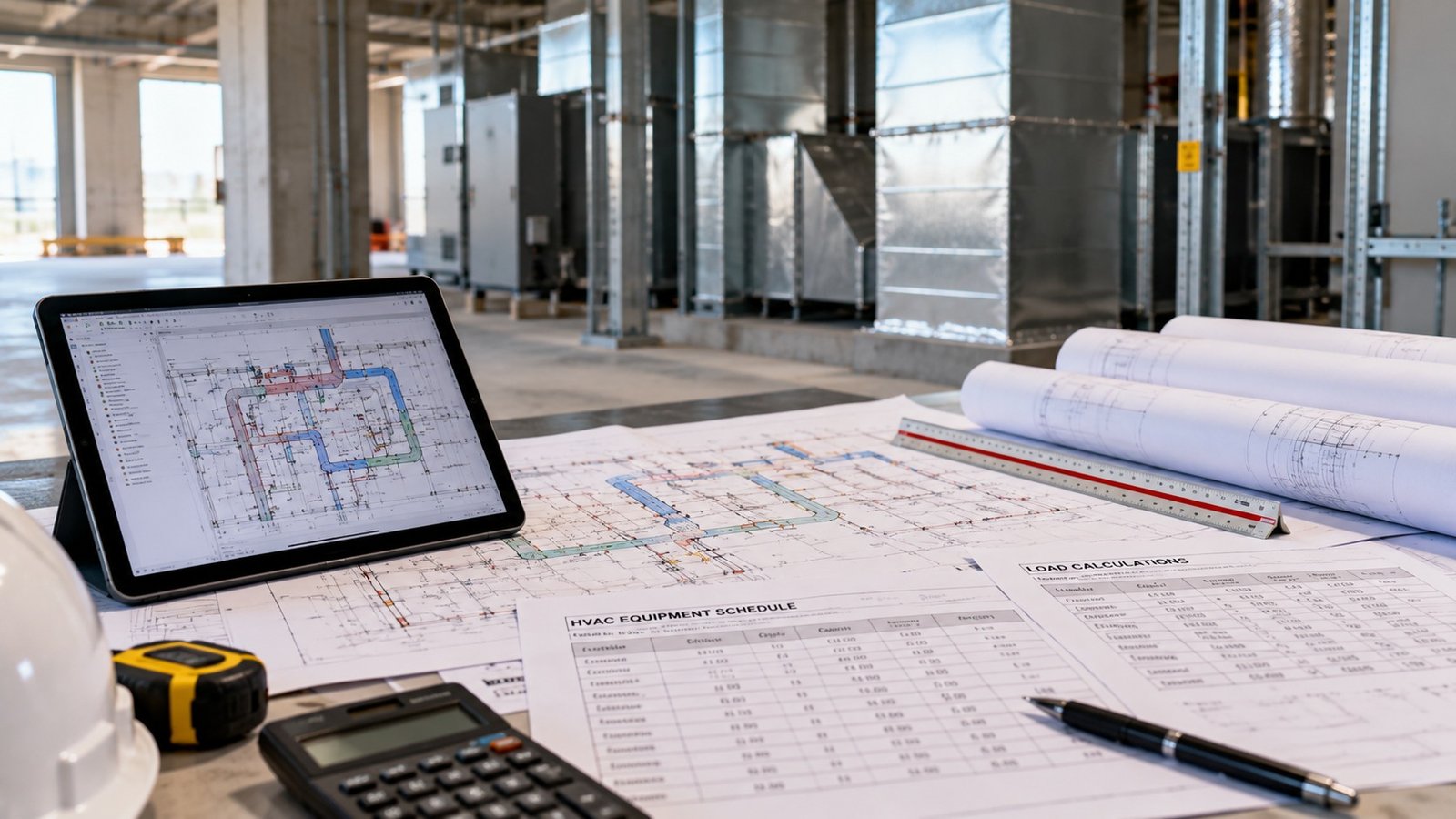
Construction budgets face steady pressure from material costs, labor availability, and longer equipment lead times. According to Associated Builders and Contractors, nonresidential construction input prices rose 8.8% over the past year. As a result, every unnecessary pound of copper or ton of cooling now carries a higher price.
Value engineering gives you a structured way to protect the budget without cutting essential building functions. Public agencies rely on the process because the savings are measurable and repeatable across projects. According to the Federal Highway Administration, Florida's transportation department saved $50.1 million through these studies in fiscal 2022.
Building projects benefit from the same discipline, especially where MEP systems drive major costs. However, the process fails when teams treat it as late cost cutting instead of a design strategy. Late cuts strip quality features, while early reviews target oversized systems before anyone finalizes drawings.
TYEC builds cost control into design, so savings do not undercut system performance. You receive a building that operates reliably and costs less to construct and maintain.
Common Signs of Over-Engineered MEP Systems
Over-engineering rarely comes from one large mistake and instead builds through small, stacked safety margins. Each discipline adds its own cushion, and the combined result inflates equipment sizes across the building. During a value engineering review, TYEC looks for several recurring warning signs in your design.
-
Stacked safety factors: Cooling loads padded at the room, zone, and plant levels produce oversized chillers.
-
Inflated electrical services: Connected loads without realistic demand factors lead to larger switchgear and transformers.
-
Unneeded redundancy: Backup equipment on noncritical systems adds cost, space, and maintenance without protecting operations.
-
Oversized plumbing risers: Pipe sizes based on worst-case fixture assumptions increase material, labor, and chase space.
Oversizing also hurts performance because equipment at low part loads cycles more and dehumidifies poorly. In South Florida, short-cycling cooling equipment can leave spaces cold, clammy, and prone to mold. Similarly, oversized transformers waste energy through standing losses during every hour of light building demand.
Right-sizing solves both problems, which means lower first costs and better comfort for occupants. Our mechanical engineering team uses room-by-room calculations instead of rules of thumb for every project.
How TYEC Applies Value Engineering Across Disciplines
Savings in one discipline can create costs in another when engineers work in separate offices. For instance, switching to a cheaper chiller may increase pump energy and electrical costs elsewhere. Because TYEC handles all three disciplines, our value engineering reviews weigh every change against the full building.
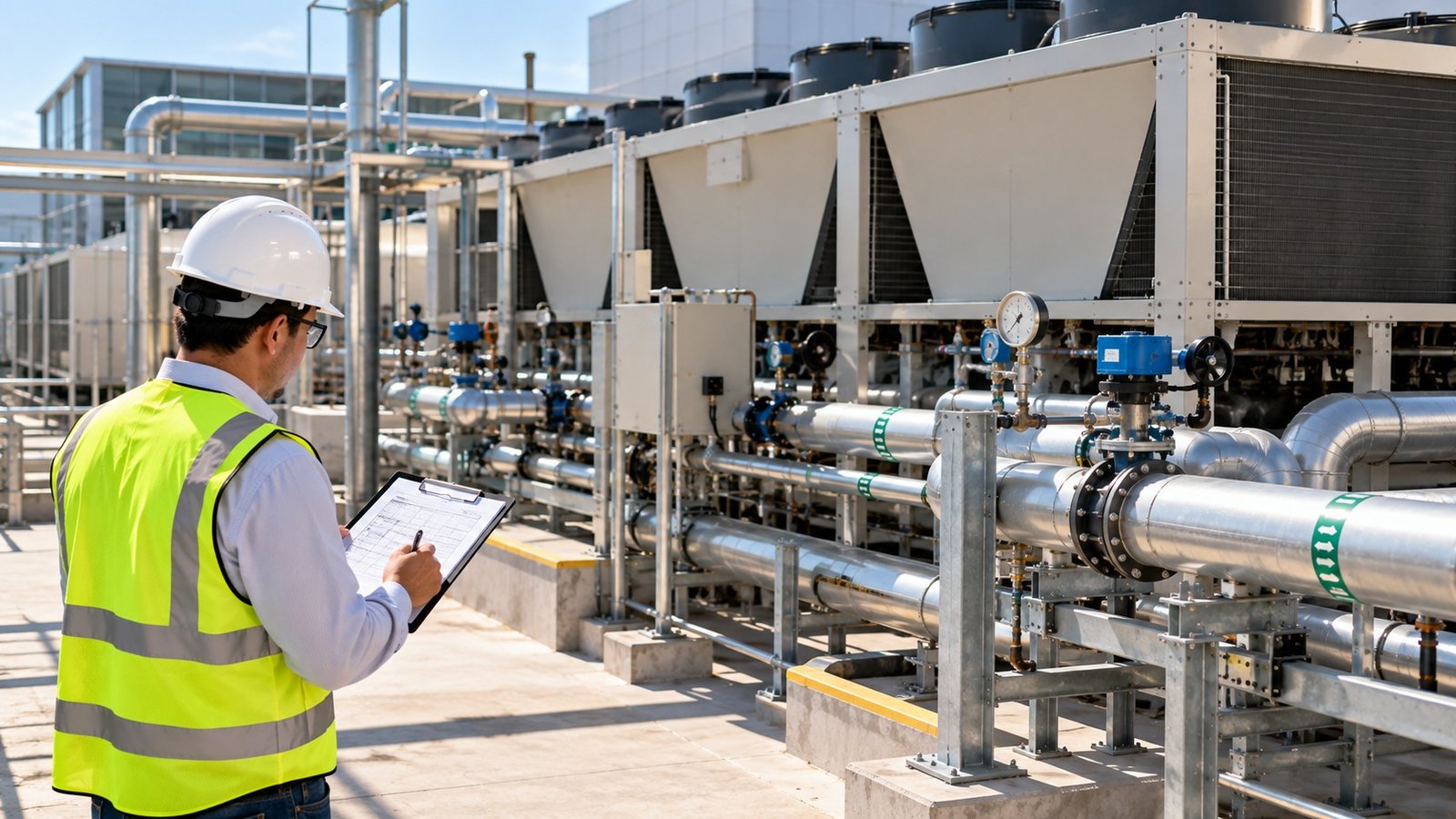
Right-Sizing Mechanical and Electrical Loads
Accurate load calculations form the foundation of every right-sized system you install in a new building. Specifically, we apply realistic occupancy, lighting, and plug load data instead of outdated default assumptions. Our electrical engineering team then applies code demand factors to size services, feeders, and transformers correctly.
Value Engineering Without Sacrificing Performance
Some savings look attractive on paper yet raise operating costs, shorten equipment life, or reduce comfort. Therefore, we compare each alternative on first cost, energy use, and lifetime maintenance. You only accept changes that lower total ownership cost while meeting your performance and code requirements.
In addition, we keep every alternative aligned with the architectural concept, ceiling heights, and finish expectations. Our article on aligning MEP systems with creative design explains how that coordination protects design intent.
Timing Reviews for Maximum Savings
The earlier you review system selections, the more savings you capture with fewer drawing revisions. Schematic design offers the widest range of options, since equipment locations and shaft sizes remain flexible. In contrast, changes during construction documents or bidding trigger redesign fees and schedule delays.
Consequently, TYEC schedules value engineering checkpoints at schematic design, design development, and before permit submittal. Each checkpoint compares current selections against updated architectural plans and the owner's budget targets.
Contractor input also strengthens reviews, because installers see labor and sequencing costs that drawings hide. For example, prefabricated plumbing assemblies or simplified duct routing can shorten installation time on site. Our article on early-stage engineering collaboration shows how early coordination prevents costly change orders later.
Principal involvement keeps reviews focused, since senior engineers understand where savings exist and where risks hide. At TYEC, our principals oversee each review and explain every recommendation directly to your project team. Ultimately, timely reviews protect your budget, your schedule, and the building's long-term performance.
Start Your Value Engineering Review With TYEC
Value engineering works best when it targets oversized systems early and weighs every change across all disciplines. When you right-size equipment, you lower first costs, improve comfort, and reduce long-term operating expenses. TYEC brings MEP expertise together under one roof so savings in one area do not create problems elsewhere.
Our engineers collaborate closely with your architect and deliver practical recommendations on your schedule. Whether you build a hotel, school, or office, TYEC focuses your budget on features that deliver value. Reach out to our team to schedule a budget review before your next design milestone arrives.