Plumbing conflicts discovered in the field cost far more than the same conflicts caught inside a coordinated model. BIM clash detection gives your project team the chance to resolve pipe routing problems before crews cut a single hole. Every avoided field conflict protects both budget and schedule across the construction period.
Modern commercial projects pack plumbing risers, waste lines, and supply piping into ceiling plenums shared with ductwork, conduit, and structural steel. According to The CAD Room research, MEP clashes account for 30 to 35 percent of all coordination clashes on construction projects. Catching those conflicts early saves rework that would otherwise surface during installation.
What Is BIM Clash Detection for Plumbing?
BIM clash detection for plumbing is the process of running automated conflict checks across coordinated 3D models to identify where pipes intersect ducts, conduit, structure, or architecture before construction. You resolve those clashes digitally rather than in the field. Good coordination cuts rework, RFIs, and change orders for the plumbing scope.
How BIM Clash Detection Improves Plumbing Coordination
Plumbing coordination benefits from BIM clash detection because sanitary, storm, domestic water, and fire protection systems all compete for ceiling space with other trades. Automated clash checks reveal conflicts that flat 2D drawings often hide from even experienced coordinators. Early detection lets your engineering team resolve routing issues while changes are cheap and easy.
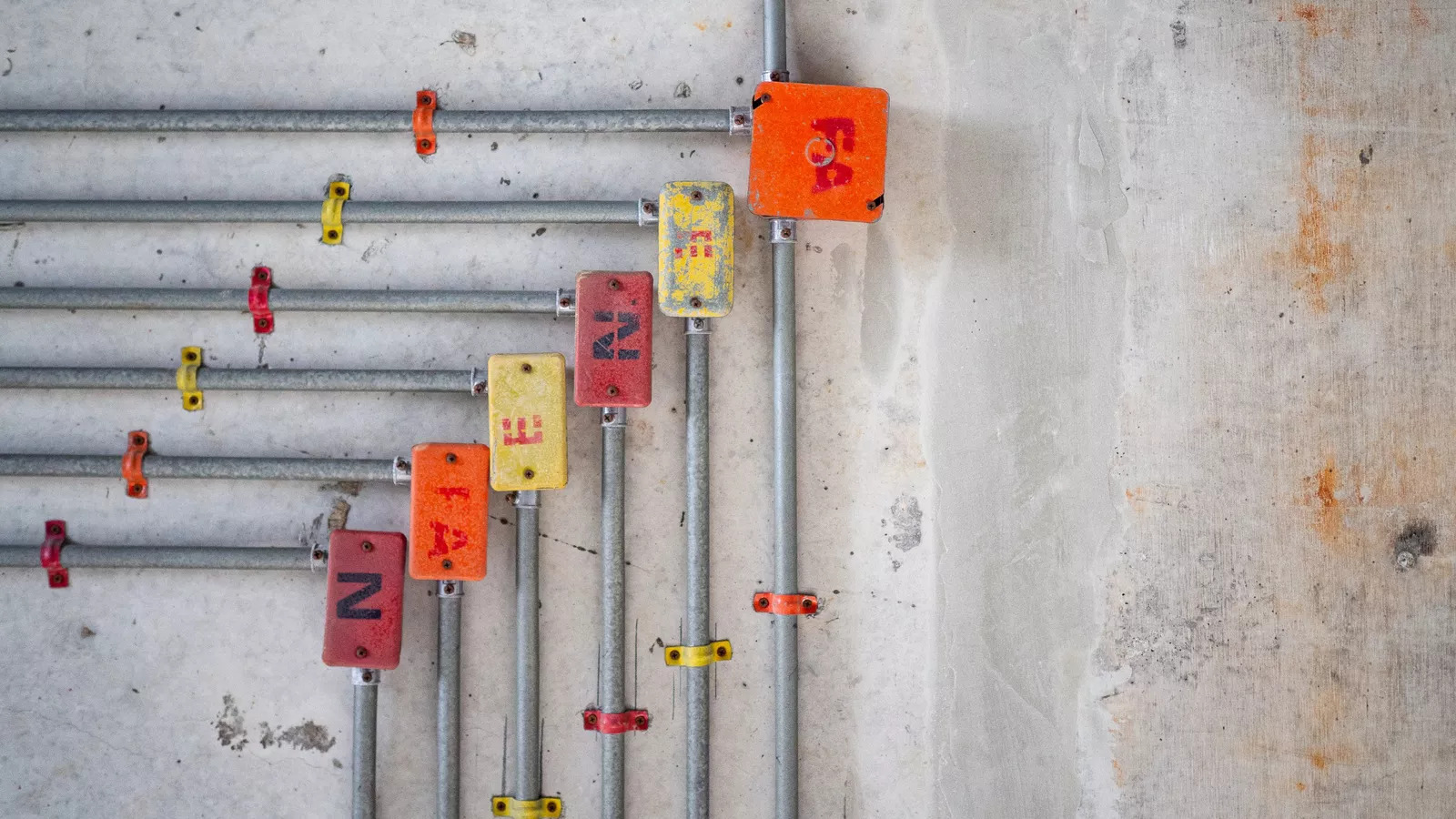
Federated models bring mechanical, electrical, plumbing, structural, and architectural scope into one shared environment for review. According to Budlong research, projects with BIM coordination at LOD 300 or above experience 60 to 80 percent fewer coordination-related change orders. Fewer change orders translate directly into schedule protection during construction.
Since plumbing carries slope requirements, access needs, and code-driven clearances, BIM clash detection catches conflicts that other trades never encounter. As a result, your coordination team should confirm slope, clearance, and support routing during model review. Explore how our full-service plumbing engineering team approaches coordinated design on every commercial project.
Common Plumbing Clashes Caught in the Model
Common plumbing clashes fall into predictable categories that BIM clash detection identifies before drawings hit the contractor. Waste lines competing with beams, supply piping fighting ductwork, and fixture rough-ins missing structural openings all show up during model federation. Each conflict caught in the model saves hours of field problem-solving later.
Hard clashes represent physical intersections where two elements occupy the same space at the same time. Similarly, soft clashes cover clearance violations where systems fit spatially but leave no access for maintenance, insulation, or code-required separations. Both categories deserve resolution before drawings release for bid pricing.
Practical plumbing clashes that show up during coordination include several recurring patterns.
-
Sanitary risers hitting structural beams at floor penetrations without adequate sleeve locations
-
Domestic water piping crossing supply ductwork with insufficient clearance for insulation and hangers
-
Fixture rough-ins landing outside architectural wall thickness or missing tile grid alignment
-
Fire protection mains crossing electrical conduit stacks in ceiling plenums with no clearance
BIM clash detection surfaces these conflicts in weekly coordination meetings where trades resolve them collaboratively. In addition, our BIM-driven MEP approach supports strong coordination from schematic phase forward. You avoid the RFI storm that plagues projects lacking upfront model coordination.
Cost and Schedule Benefits of Early Coordination
Early coordination delivers measurable financial returns compared to catching plumbing conflicts during construction. BIM clash detection reduces the field changes that generate the highest per-hour costs during installation. Every conflict resolved in the model saves labor, materials, and downstream schedule impact.
Rework represents one of the largest hidden costs in modern construction, and plumbing rework carries some of the worst multipliers. Meanwhile, delayed pipe installation ripples into drywall, ceiling grid, and finish work that has to wait or come back later. Your engineering team should commit to model coordination deliverables at the same milestones as drawing releases.
Coordinated projects also generate fewer RFIs during construction, which speeds decisions and reduces administrative burden. Learn how our responsive engineering approach supports faster answers on the questions that still arise. Consequently, your project stays on the schedule set at buyout rather than drifting through repeated construction delays.
Integrating BIM Clash Detection Into Design Workflows
Integrating BIM clash detection into your design workflow requires commitment from every discipline at the schematic phase. Waiting until construction documents wrap up leaves too little time to resolve conflicts before bid pricing. Federated model coordination should start during design development when routing decisions remain flexible.
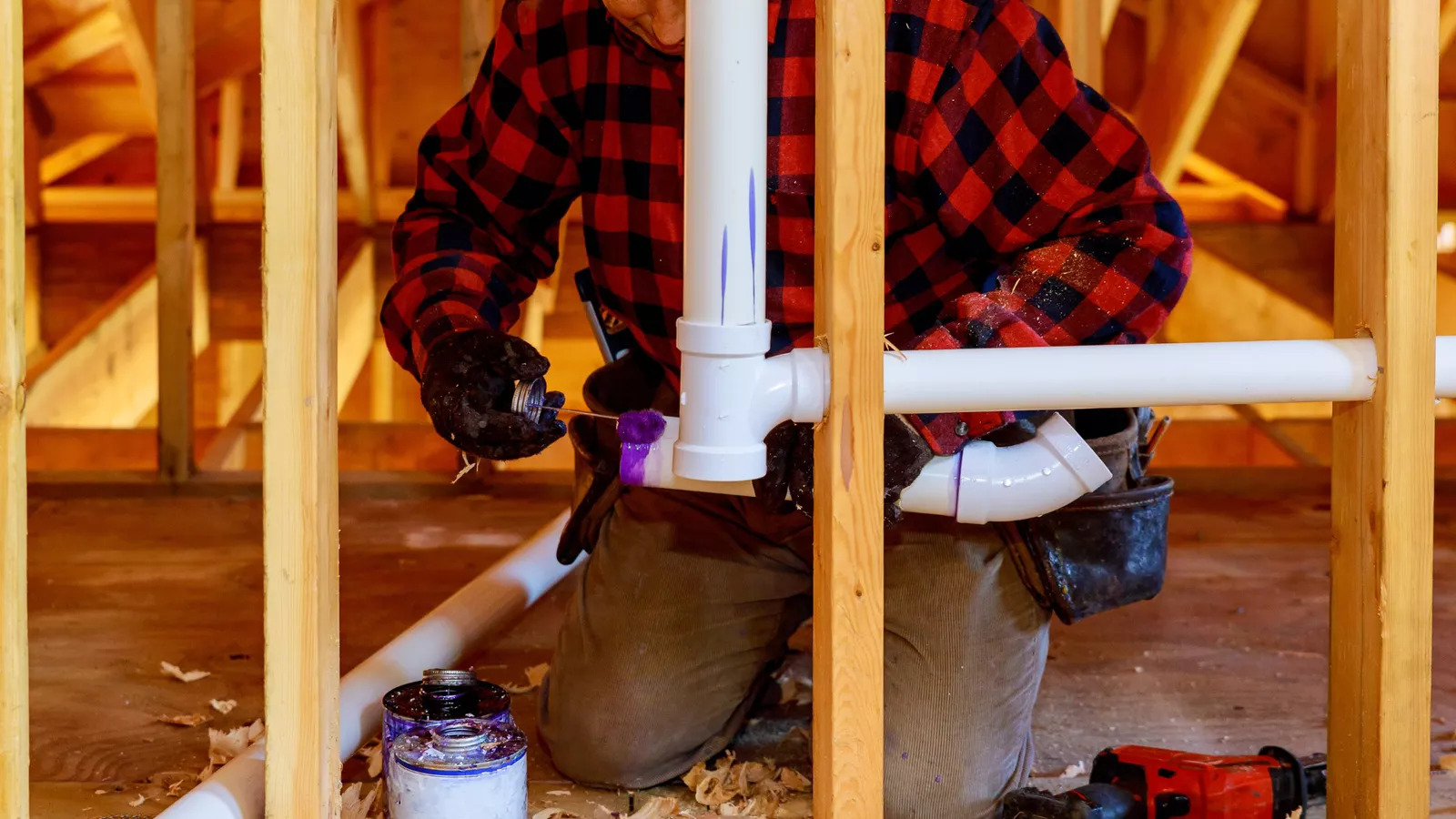
Regular coordination meetings anchor the process, giving each discipline a forum to review clashes and agree on resolution paths. As a result, our team runs coordinated model reviews with architects, structural engineers, and contractors throughout design. You get a coordinated model that reflects real construction sequencing rather than isolated discipline drawings.
Single-source MEP delivery streamlines the workflow because mechanical, electrical, and plumbing scope share one model and one accountable team.
Documenting BIM Clash Detection Outcomes for Handover
Documentation carries clash resolution decisions into construction and beyond for the facility team. Coordination reports, resolved clash logs, and updated model files should accompany the construction document set at bid release. Clear records protect the owner when field conditions raise questions later.
As-built models updated with contractor input during construction create a living record that supports operations and future renovations. Additionally, our full-service MEP approach supports coordinated handover on every project we deliver. Documented BIM clash detection gives the facility team a defensible reference for the life of the building.
Ready to Coordinate Plumbing Without Field Surprises?
BIM clash detection separates modern coordinated projects from the field-fix workflows that used to define plumbing installation. When federated models, weekly reviews, and disciplined resolution habits all align, your project delivers plumbing installations without the change orders that used to be routine. Owners see the payoff in shorter schedules, tighter budgets, and cleaner ceilings during turnover.
TYEC brings mechanical, electrical, and plumbing coordination together for commercial, hospitality, and civic projects across Florida and the Caribbean. We work alongside your architect and general contractor to resolve clashes in the model rather than the ceiling during construction. Drop us a line to talk through BIM clash detection support on your next plumbing-intensive project.