Emergency response facilities exist to work when everything else fails, so their power systems carry a unique weight. Fire stations, police headquarters, and emergency operations centers cannot lose power during hurricanes, floods, or grid disruptions. Your design decisions determine whether responders can dispatch, communicate, and shelter during the worst moments.
Florida sees more power-testing events than almost any state in the country. Storm season alone forces emergency facilities to run on backup power for hours or days at a time. Designing resilient electrical infrastructure requires early planning, code fluency, and tight coordination between all mechanical, electrical, and plumbing (MEP) disciplines.
What Do Emergency Response Facilities Need in a Power System?
Emergency response facilities need power systems that restore full operation within seconds of a utility failure. Designs must meet NFPA 110 Level 1, Type 10 requirements, include hardened generator enclosures, and hold at least 96 hours of on-site fuel. Redundant transfer switches, surge protection, and hurricane-rated equipment protect continuous operations during Florida storm events.
Meeting NFPA 110 Compliance for Emergency Power Systems
Emergency response facilities in Florida fall under the strictest classification in the National Fire Protection Association (NFPA) 110 standard. The standard governs how quickly backup electricity must reach life safety loads and how long it must sustain them. Your design team must translate those rules into equipment selections, transfer sequences, and testing protocols.
Understanding Level, Type, and Class Requirements
NFPA 110 sorts power systems by three variables, and emergency stations sit at the top of every scale. According to OnPoint Generators, buildings over 75 feet tall must have emergency power for elevators, fire pumps, emergency lighting, smoke control, and communication systems. Your engineering team must document each load and confirm the transfer sequence in commissioning.
Core NFPA 110 design targets for emergency response facilities include:
-
Level 1 classification, since power loss risks human life directly.
-
Type 10 restoration, delivering power within 10 seconds of outage.
-
Class X runtime, holding at least 96 hours without refueling.
-
Documented acceptance testing under simulated load conditions.
-
Written maintenance schedules covering coolant, exhaust, and fuel.
Your power systems design must survive audits from the local Authority Having Jurisdiction (AHJ) and the fire marshal. Our team pairs code compliance with practical layouts, avoiding oversized equipment that inflates first costs. Learn more about our electrical engineering services built around code-driven design.
Hardening Power Systems Against Storm Events
Type caption (optional)
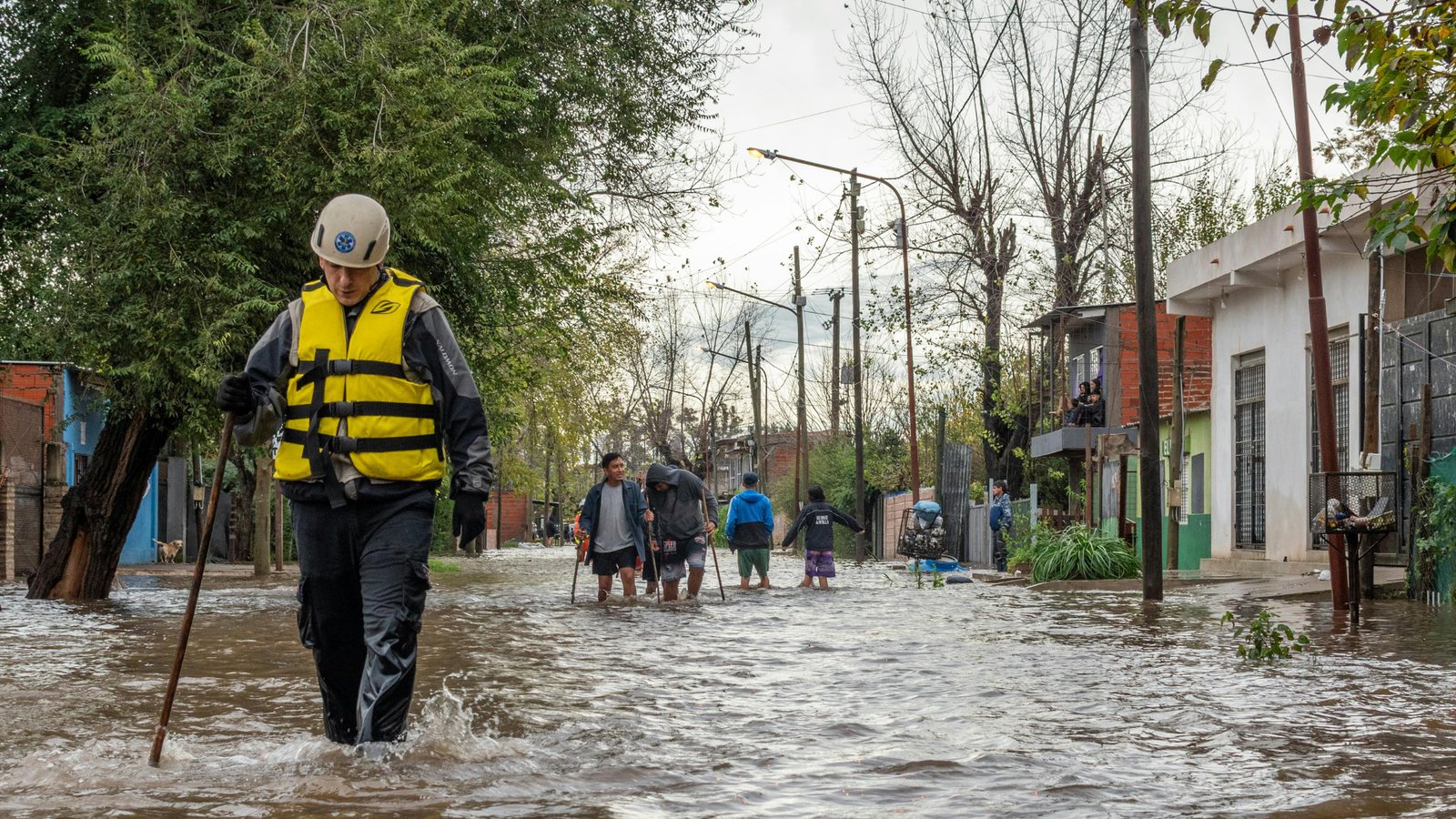
Florida emergency stations face threats that most other jurisdictions never see. Category 4 and 5 hurricanes routinely cross the peninsula, and storm surge reaches inland facilities more often than owners expect. Your power systems must survive the storm and keep operating through the response phase.
Hardening starts with siting decisions early in the design process. Generators, switchgear, and fuel tanks belong above the local floodplain, inside enclosures rated for hurricane-force winds. Additionally, elevated mechanical and electrical platforms protect equipment from water intrusion during storm surge events.
The performance data supports hardened design choices for Florida projects. According to Firehouse magazine, stations designed to Risk Category IV wind standards with elevated mechanical and electrical systems maintained operational continuity at a rate 33 percentage points greater than stations built to standard codes during Hurricane Irma. Your investment in hardening pays back the first time a major storm hits.
Coordination between electrical, mechanical, and structural teams keeps the hardening strategy intact from concept through construction. Read our post on NFPA compliance for fire station ventilation for related design considerations.
Coordinating Power Systems With Mechanical and Plumbing Loads
Power systems for emergency response facilities do not stand alone on the drawings. Backup generators must carry heating, ventilation, and air conditioning (HVAC) loads, plumbing pumps, kitchen equipment, and dispatch technology at the same time. Miscoordinated load calculations create either undersized generators or oversized fuel bills for decades.
Full-spectrum MEP under one roof lets your engineering team size the generator against actual mechanical and plumbing demands. Additionally, integrated design catches transfer switch conflicts, panel schedule errors, and control wiring gaps before construction. You avoid the finger-pointing that happens when three separate firms hand off partial information.
Practical load coordination for emergency response facilities usually covers:
-
Rooftop HVAC units running on emergency circuits during outages.
-
Domestic water booster pumps sized for firefighter housing demands.
-
Kitchen exhaust fans and gas valve interlocks on backup power.
-
Apparatus bay door operators and diesel exhaust extraction systems.
Coordinated designs also protect the architectural intent by keeping mechanical and electrical rooms right-sized. Explore our full-spectrum MEP expertise approach for coordinated emergency response projects.
Planning Power Systems for Long-Term Reliability
Reliability planning starts in schematic design and continues through decades of facility operation. Emergency response facilities run their generators far more often than typical commercial buildings, so wear and maintenance access matter. Your power systems design should make routine testing straightforward for facility crews and third-party technicians.
Type caption (optional)
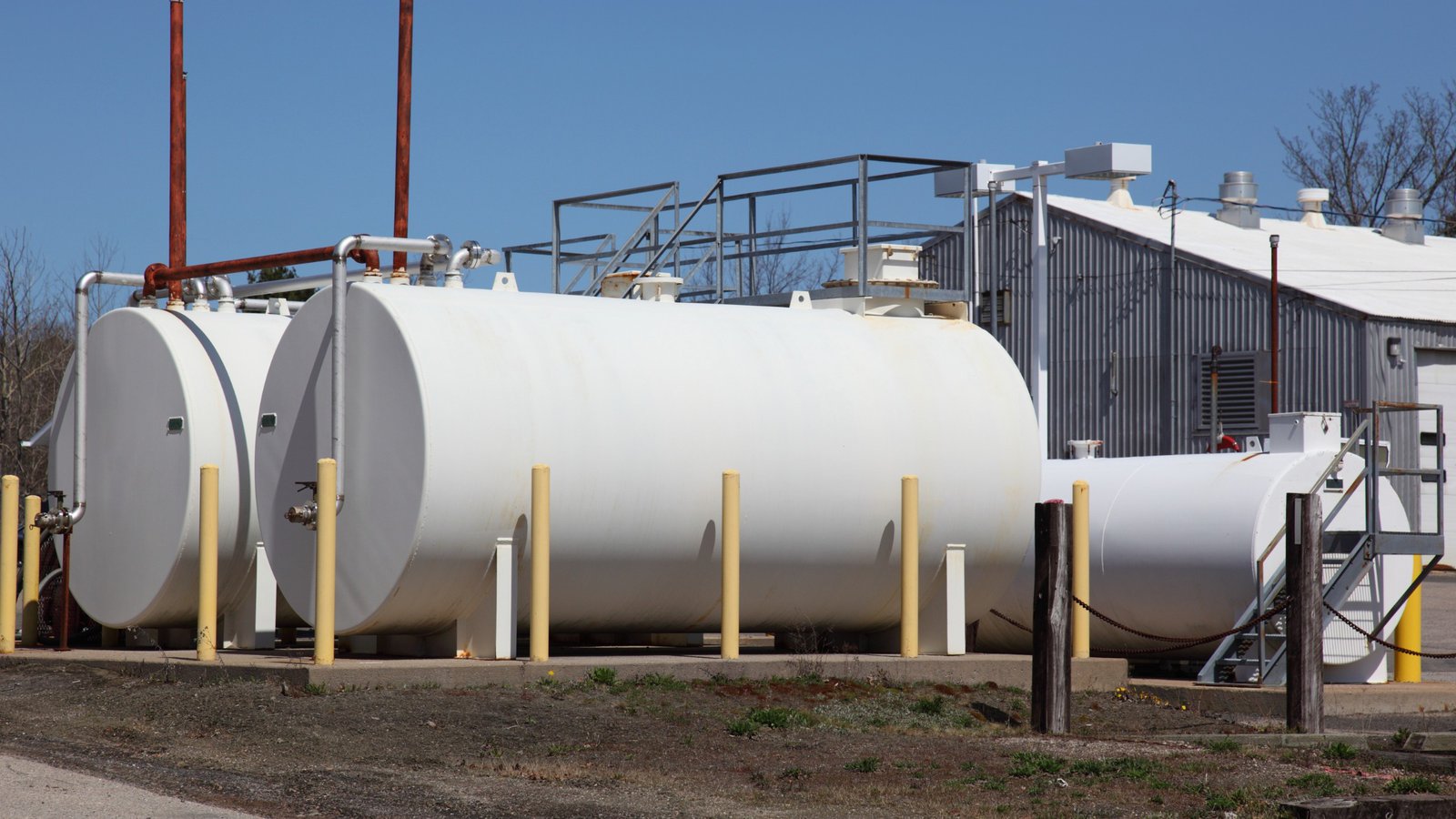
Fuel storage strategy drives many long-term reliability outcomes. Diesel degrades over time, and undersized day tanks force operators to run manual transfers during emergencies. Additionally, above-ground tanks in Florida require secondary containment, corrosion protection, and hurricane anchoring per code.
Testing infrastructure should be built into the design, not added later as an afterthought. Load banks, remote monitoring panels, and safe exhaust routing let staff run monthly and annual tests without disrupting operations. Our team designs power systems that pass acceptance testing the first time and stay compliant through every AHJ inspection. Learn more about our firm background and collaborative approach to public safety projects.
Partner With TYEC for Resilient Emergency Facility Power Systems
Emergency response facilities across Florida trust engineering partners who understand both the code and the coastline. TYEC brings mechanical, electrical, and plumbing design together under one roof, so your generator, HVAC, and plumbing systems work in perfect harmony. Our principals stay personally engaged from schematic design through commissioning and final acceptance testing.
You need a firm that answers questions quickly, respects your budget, and delivers designs that hold up during hurricane season. Whether you are building a new fire station, expanding a police headquarters, or upgrading an emergency operations center, our team is ready to help. Get in touch through our contact page to start planning your project today.