Guests notice air the second they walk into a hotel lobby or open a guest room door for the first time. Indoor air quality shapes the perception of luxury, cleanliness, and value more than most operators recognize during design. Every ventilation, filtration, and humidity decision made at schematic phase carries through to guest reviews years later.
Standard commercial HVAC design rarely delivers the air performance that hospitality brands demand from their new developments. Guest expectations have shifted since 2020, and travelers now research building health features before booking. According to Envigilance research, ventilation has become a competitive differentiator affecting hotel booking decisions.
What Is Optimizing Indoor Air Quality in Hospitality Design?
Optimizing indoor air quality in hospitality design means engineering ventilation, filtration, and humidity control to keep guest rooms and public spaces healthy across every occupancy pattern. You align outdoor air rates, filter selection, and pressurization with each space type. Good design protects guest health while supporting brand standards and energy targets.
Setting Ventilation Rates for Indoor Air Quality Compliance
Ventilation rates drive the foundation of indoor air quality in every new hospitality development from the first schematic sketch. ASHRAE Standard 62.1 sets the baseline outdoor air rates you must hit for each space type across the property. Guest rooms, corridors, lobbies, and restaurants all carry different minimums that shape system sizing.
According to ASHRAE 62.1 requirements, hotel guest rooms require outdoor air based on both occupant density and floor area. Corridors need area-based ventilation and positive pressure relative to guest rooms to prevent odor migration. Public areas carry higher demands due to variable occupancy and contaminant sources.
Dedicated outdoor air systems (DOAS) give designers cleaner control over indoor air quality than traditional mixed-air approaches. As a result, our full-service mechanical engineering team often specifies DOAS with energy recovery for hospitality clients. You get compliant fresh air delivery without paying oversized energy penalties for conditioning outdoor loads.
Filtration Selection Strategies for Guest Health
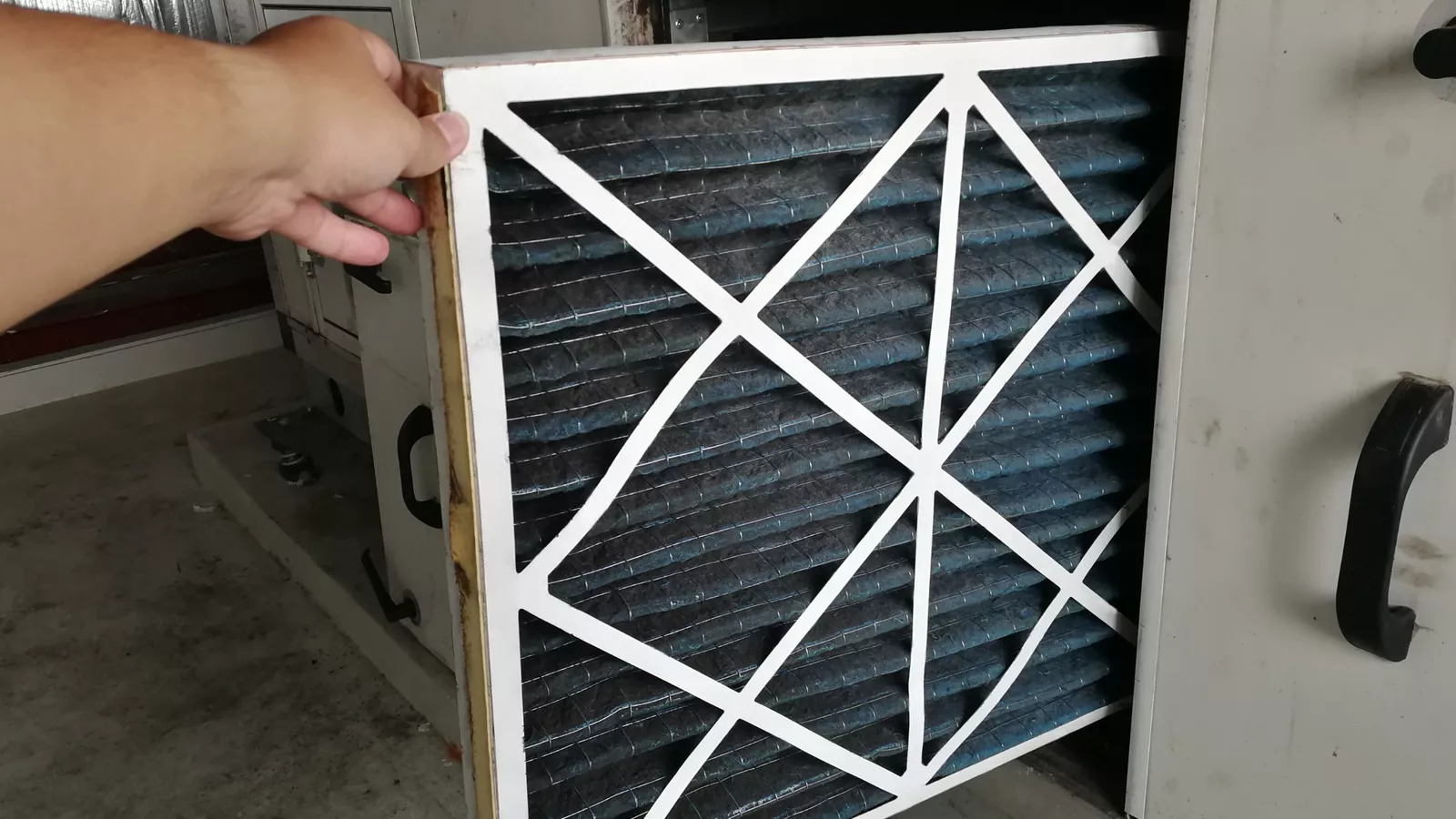
Filter selection carries as much weight as ventilation in the indoor air quality equation for a modern hotel. Minimum Efficiency Reporting Value (MERV) ratings tell you how well a filter captures particles across defined size ranges. Higher MERV filters catch more contaminants but add static pressure that your system must handle.
Filter strategy also depends on the specific spaces within the hospitality development you are designing.
-
Guest rooms benefit from MERV 11 to MERV 13 filters when the air handlers can handle the pressure drop
-
Public lobbies and meeting rooms deserve higher filtration to manage the varied occupancy throughout the day
-
Kitchen exhaust systems need grease-rated filtration engineered around code and manufacturer requirements
-
Fitness centers and pool areas call for corrosion-resistant filter housings and moisture-tolerant media
According to Ferguson research, MERV 13 or higher filters can capture fine particles, bacteria, and other harmful airborne contaminants. Since guest expectations have risen, indoor air quality now factors into brand differentiation for many upscale flags. Your engineering team should confirm blower motors and static pressure budgets can support the target filter class.
Retrofit potential also deserves attention during design, so future filter upgrades stay possible without duct rework. In addition, deeper filter racks and variable-speed fans give owners flexibility to raise MERV ratings later. Explore our work on modern HVAC trends for further insight into filtration and comfort design.
Managing Humidity to Protect Indoor Air Quality
Humidity control shapes indoor air quality in hospitality developments as much as ventilation and filtration do together. Florida coastal properties face humidity loads that push standard cooling equipment past its dehumidification capacity. Guest rooms with sticky bedding, foggy windows, or musty odors generate reviews that hurt occupancy for months.
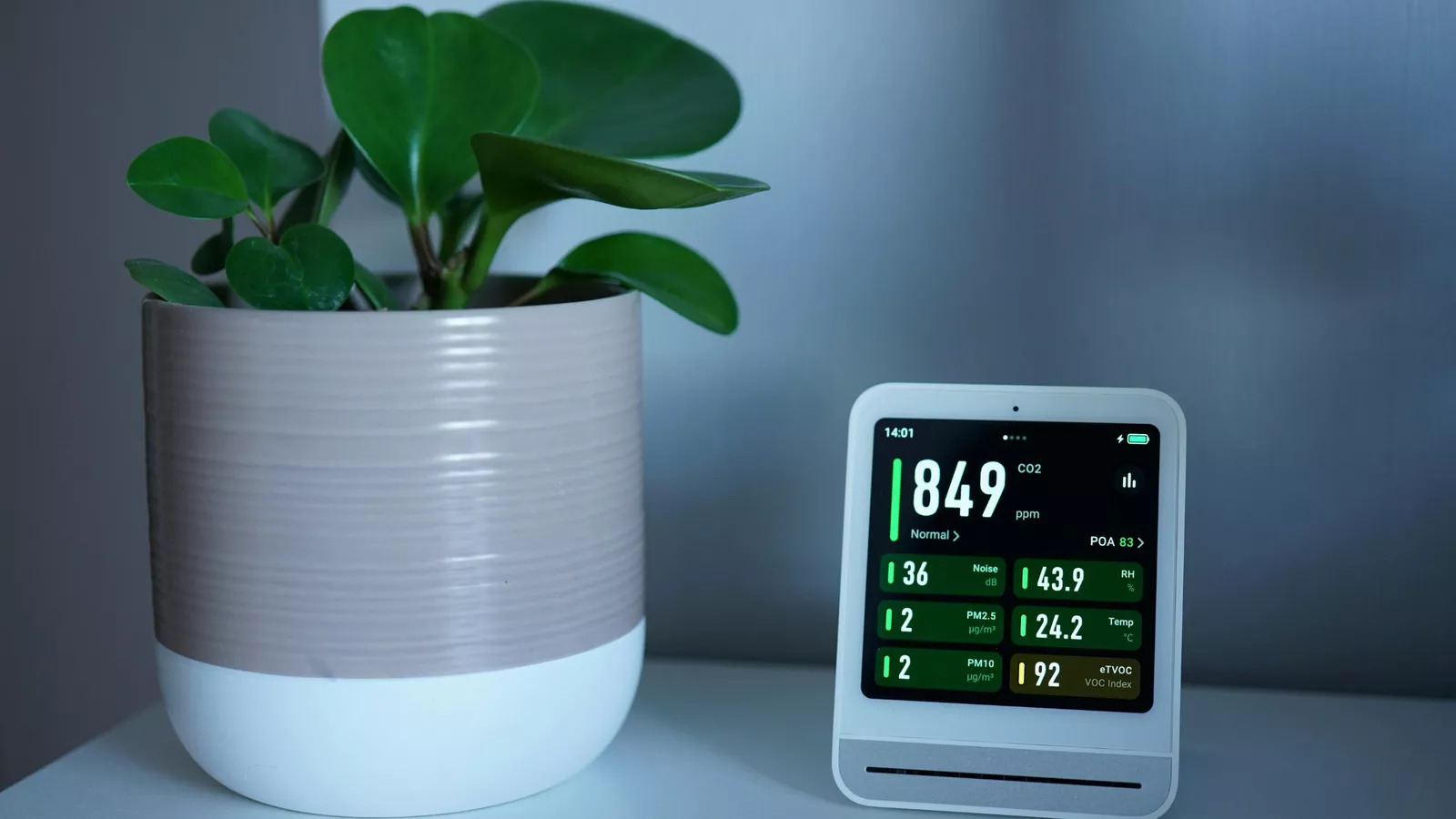
Dedicated outdoor air systems handle much of the latent load by conditioning ventilation air before it reaches the guest room terminal. Similarly, integrated dehumidification cycles built into central air handlers protect against overcooling during mild but humid conditions. Design decisions made at schematic phase determine whether the finished property can hold target humidity ranges.
Wine storage, spa areas, and indoor pools each carry their own humidity profiles that need separate engineering attention. Learn how our luxury residential HVAC approach supports similar humidity challenges in high-end projects. Coordinated design keeps mechanical and building envelope decisions aligned to protect indoor air quality across the whole property.
Pressurization Strategies for Indoor Air Quality Between Spaces
Pressurization keeps odors, contaminants, and moisture from migrating between spaces that should stay separated in a hotel. Corridors should run positive relative to guest rooms so cooking, cleaning, or smoke smells never drift into adjacent occupied spaces. Kitchens, laundries, and pool decks should run negative to contain their heavier loads.
Balancing airflow across the property requires careful engineering of exhaust rates, transfer paths, and makeup air pathways. Our BIM-driven MEP coordination supports these decisions from concept through construction. As a result, your indoor air quality strategy holds up in the field instead of only on paper.
Ready to Design a Hotel That Feels as Clean as It Looks?
Indoor air quality separates memorable hospitality properties from developments that struggle with guest complaints and review scores. When ventilation, filtration, humidity control, and pressurization all align, your hotel delivers the healthy, comfortable experience travelers now expect. Owners protect their investment by building air performance into the design instead of retrofitting problems after opening.
TYEC brings mechanical, electrical, and plumbing expertise together for hospitality developments across Florida and the Caribbean. We work closely with your architect, brand team, and interior designer to align air quality strategy with the guest experience your property promises. Message our team to talk through indoor air quality design for your next hotel or resort project.